How to Choose the Right Commercial Printing Services for Your Business
Choosing the right commercial printing services is an important decision for businesses that rely on professional printed materials to communicate, advertise, and connect with customers. From promotional mailers and retail circulars to publications and signage, the quality of your printed materials can influence how customers perceive your brand.
The best commercial printing company for your business is one that offers the right production capabilities, consistent print quality, dependable communication, and the ability to meet your project's quantity, budget, and timeline requirements.
At Press Enterprise Commercial Printing in Bloomsburg, Pennsylvania, we understand that every printing project has different goals. Knowing what to look for in a printing partner can help you make informed decisions and achieve professional results.

What Are Commercial Printing Services?
Commercial printing services involve the professional production of printed materials for businesses, organizations, publishers, and institutions. Unlike everyday office printing, commercial printing uses specialized equipment and production processes to handle a wide variety of formats, quantities, and finishing requirements.
Businesses commonly use commercial printing for:
- Marketing materials: Brochures, flyers, promotional handouts, and other branded materials.
- Retail advertising: Circulars, promotional inserts, and printed advertisements.
- Publications: Newspapers, newsletters, magazines, catalogs, and booklets.
- Direct mail: Printed mailers and promotional pieces designed to reach targeted audiences.
- Business signage: Banners, posters, and signs that support advertising and brand visibility.
Professional printing services help businesses maintain consistent branding while producing materials suited to their communication and marketing needs.
What Should You Look for in a Commercial Printing Company?
Finding the right commercial printing partner involves more than comparing prices. Businesses should consider the printer's capabilities, experience, customer service, and ability to support their specific projects.
1. Printing Capabilities That Match Your Needs
Not every commercial printer offers the same equipment or production options. Some specialize in smaller digital printing projects, while others have the equipment needed for high-volume publications and recurring advertising campaigns.
Before choosing a printer, determine whether your project requires:
- Large quantities of identical printed materials
- Short-run or personalized printing
- Oversized signs or promotional displays
- Multi-page publications or booklets
- Specialized folding, trimming, or binding
- Mailing or distribution support
A printing company with multiple production capabilities may be able to accommodate different types of projects as your business grows.
At Press Enterprise Commercial Printing, we offer commercial printing services that include web offset, sheetfed, digital, and large-format printing.
These capabilities allow us to support a variety of business printing requirements, from recurring publications to custom promotional materials.
2. Consistent Print Quality
Your printed materials represent your business. Clear text, accurate colors, sharp images, and professional finishing contribute to a polished appearance.
When evaluating commercial printing services, ask how the printer manages quality throughout production.
Important considerations include color consistency, paper compatibility, image reproduction, and finishing accuracy.
For businesses ordering recurring marketing materials, maintaining a consistent appearance between print runs is especially important.
For example, a retailer distributing promotional circulars regularly needs its branding, product images, and advertising information to remain recognizable across multiple campaigns.
Professional printing helps businesses create a cohesive presentation that supports brand recognition.
3. Experience With Your Type of Project
Commercial printing projects can vary significantly in complexity. Producing a small batch of promotional flyers involves different considerations than printing thousands of multi-page publications.
A printing company familiar with your project type can help identify appropriate production methods, materials, and finishing options.
When evaluating a potential partner, consider asking:
- Have you produced similar projects before?
- What printing methods are available for this type of material?
- Can you accommodate recurring print orders?
- What information do you need before providing an estimate?
- How are production questions or changes handled?
At Press Enterprise Commercial Printing, our commercial printing division has been serving customers since 1976. Our experience includes retail circulars, publications, booklets, and other printed materials for businesses and organizations.
How Do Printing Methods Affect Your Project?
The printing method used for a project can influence production efficiency, available materials, and overall cost.
Understanding the basic differences between printing processes can help you communicate your needs to a commercial printer.
Web Offset Printing
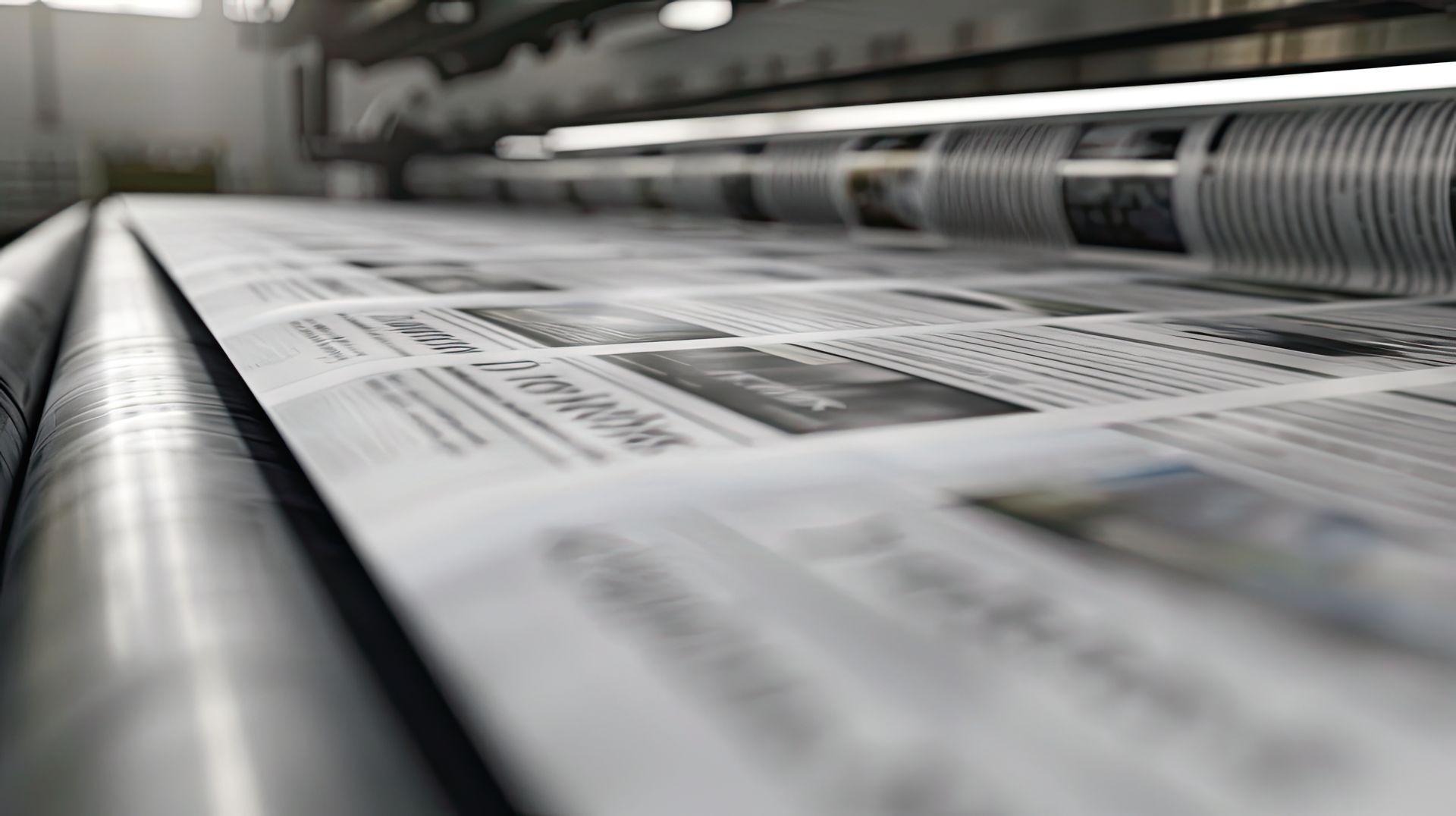
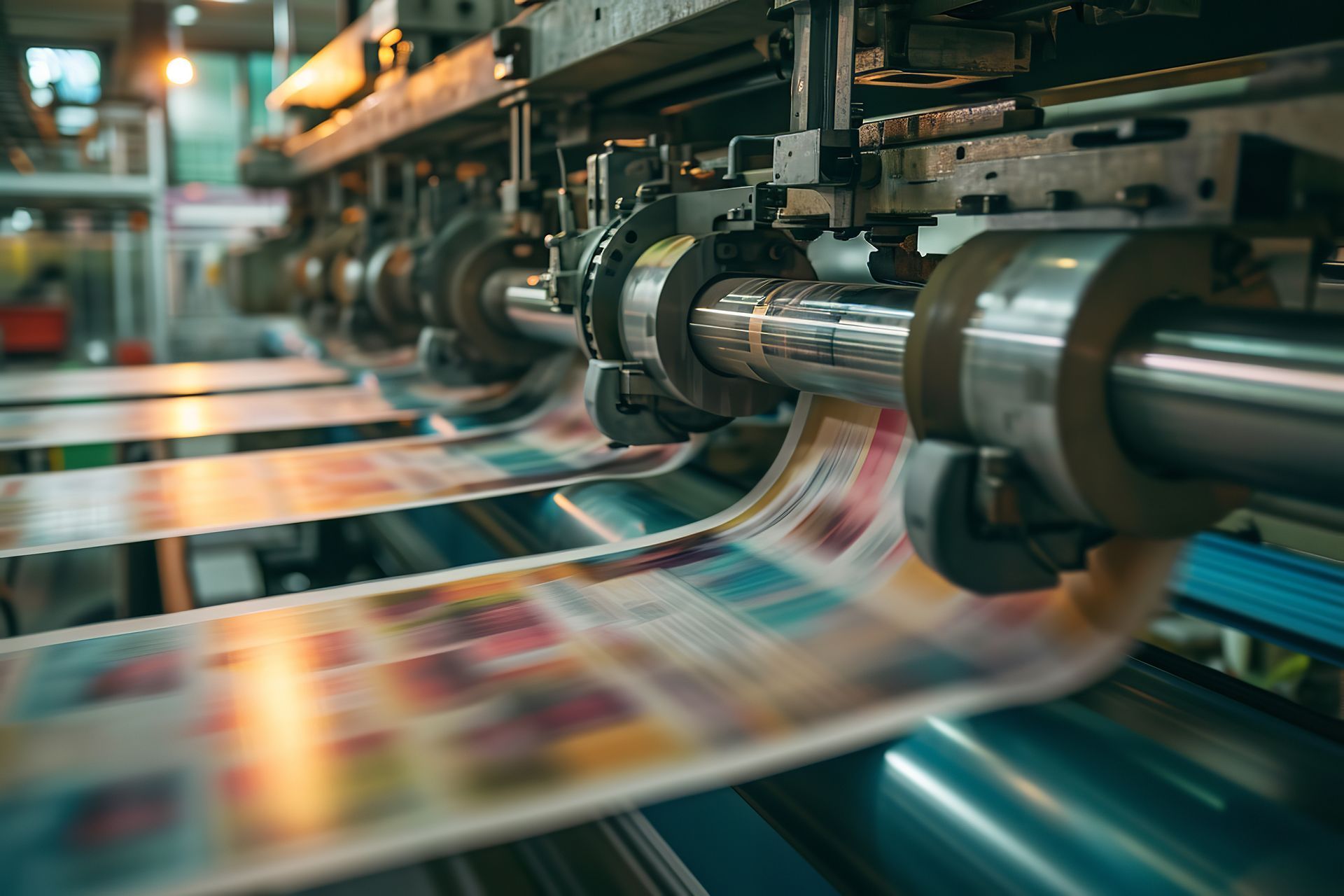
Web offset printing uses continuous rolls of paper and is commonly associated with high-volume production.
It is often suitable for projects such as newspapers, retail circulars, and publications that require large quantities of consistent printed materials.
Businesses planning recurring advertising campaigns or publication runs may benefit from discussing web offset printing options with their printer.
Sheetfed Printing
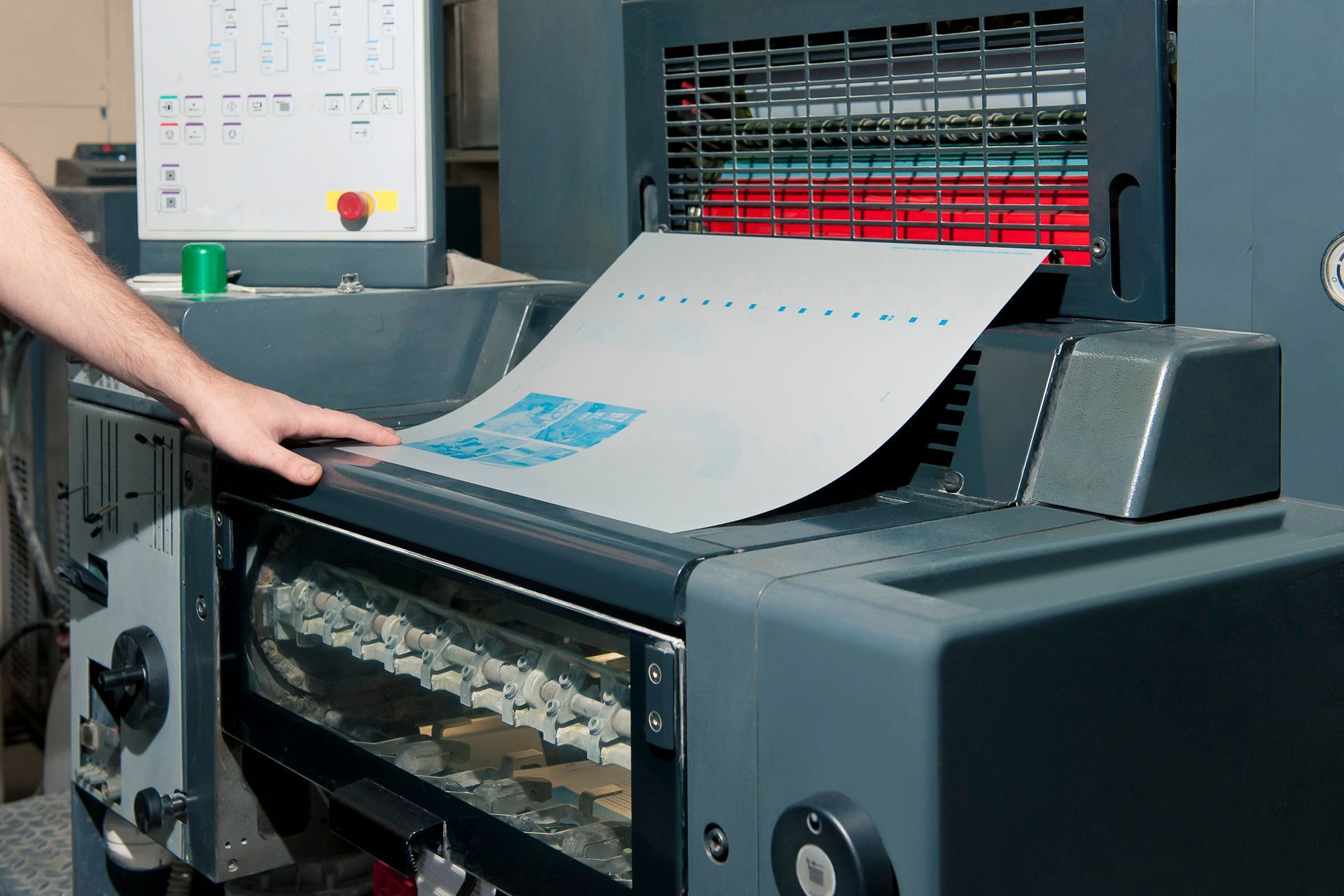
Sheetfed printing uses individual sheets of paper rather than continuous rolls.
Depending on the equipment and project specifications, it can be appropriate for brochures, promotional materials, and other commercial print products.
Digital Printing
Digital printing is often a practical choice for shorter print runs or projects that require variable information.
For example, businesses producing targeted marketing materials may need different names, addresses, or promotional messages across individual pieces.
Digital production can provide flexibility for these types of applications.
The best process depends on your project's specifications rather than quantity alone.
For a more detailed comparison, read our guide to offset printing vs. digital printing.
Why Do Paper and Finishing Options Matter?
Paper selection and finishing details affect how your printed materials look, feel, and function.
A promotional flyer, for example, may require different paper characteristics than a multi-page publication intended for repeated handling.
When planning a project, consider the following factors:
Paper weight: Heavier paper can create a more substantial feel, while lighter stock may be appropriate for certain high-volume applications.
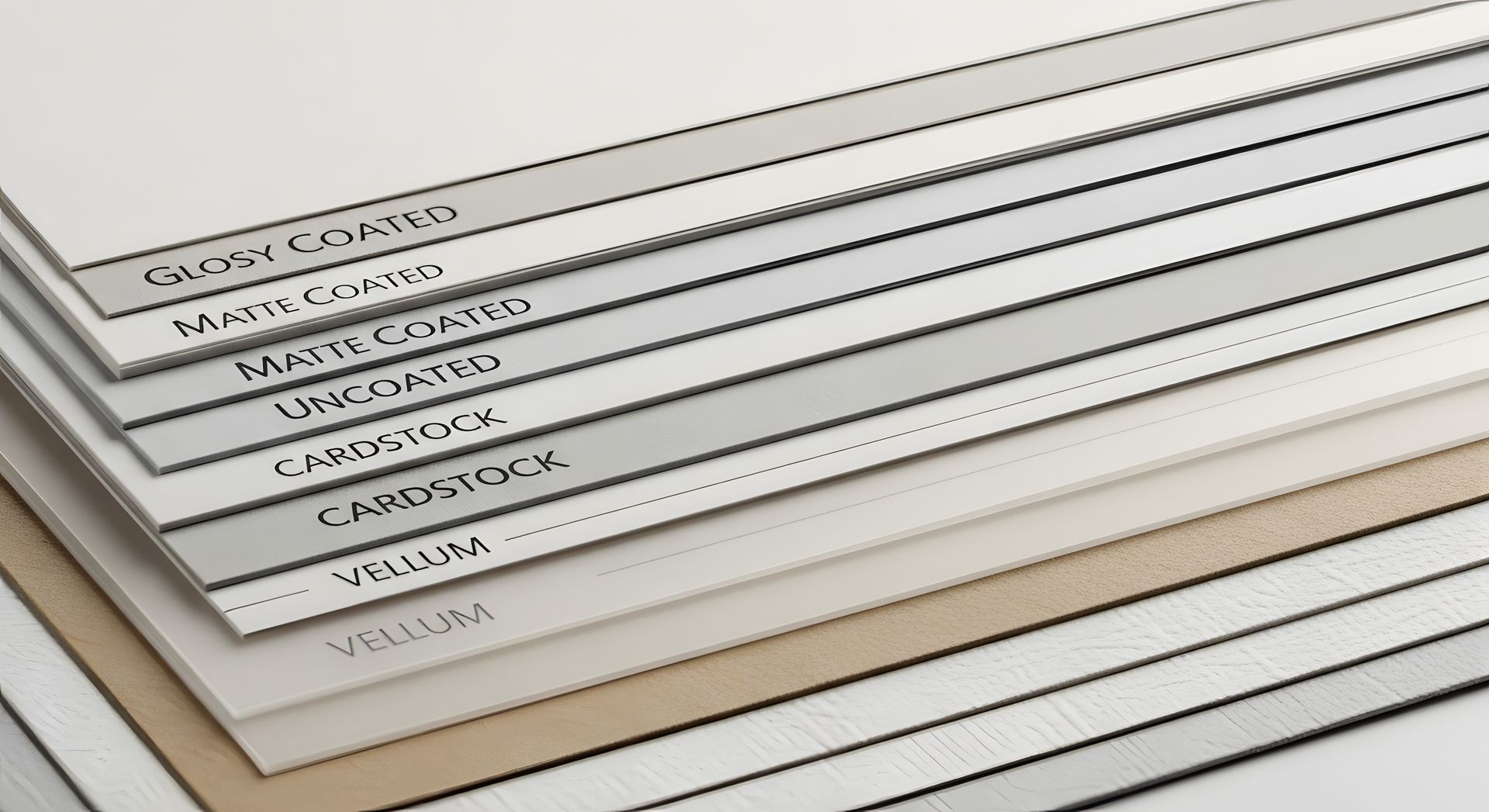
Paper finish: Coated and uncoated papers produce different visual and tactile results. The right choice depends on your design and intended use.
Folding: Brochures, circulars, and other materials may require specific folding configurations.
Binding: Multi-page publications may need stitching or another binding method to keep pages organized.
Trimming: Accurate trimming helps ensure that finished materials meet the intended dimensions.
Discussing these details early in the planning process can help prevent unexpected changes later.
Businesses producing multi-page marketing materials may also want to explore our circulars and publications services.
How Important Are Turnaround Times and Communication?
Reliable communication is essential when printed materials support advertising campaigns, product launches, events, or recurring business operations.
A missed production deadline can affect other parts of a marketing campaign, particularly when materials must be distributed on a specific date.
Before placing an order, confirm the project's expected production schedule and ask what information is needed to keep the process moving.
Important details may include:
- The date your final artwork must be submitted
- Whether proofs or approvals are required
- The expected production timeline
- Any folding, binding, or finishing requirements
- Shipping, delivery, or distribution arrangements
Providing complete project information at the beginning can help the printer develop a more accurate production schedule.
At Press Enterprise Commercial Printing, we work with customers to understand their specifications and coordinate printing projects around their requirements.
What Should You Know About Mailing and Distribution?
If your printed materials will be mailed to customers, production planning should account for more than the printed design.
Mailpiece dimensions, paper characteristics, addressing, and applicable postal requirements can affect how a mailing is prepared and processed.
The United States Postal Service's mailpiece design resources explain important considerations for preparing mail that meets postal standards.
For businesses planning direct mail campaigns, it is helpful to discuss mailing requirements before finalizing artwork or selecting a finished size.
Working with a commercial printer that understands printing and mailing considerations can help simplify the planning process.
How Can You Compare Commercial Printing Quotes?
When comparing commercial printing services, the lowest quoted price does not always represent the best overall value.
Two printing estimates may include different materials, production specifications, finishing options, or delivery arrangements.
To make a meaningful comparison, provide each printer with the same project details.
These should include the finished size, quantity, number of pages, paper preferences, color requirements, finishing specifications, and requested delivery date.
Ask whether the estimate includes any necessary setup, proofing, finishing, packaging, or delivery services.
It is also helpful to clarify how changes to artwork, quantities, or specifications may affect the final cost.
A clear, detailed estimate helps you understand what you are purchasing and reduces the likelihood of unexpected expenses.
Why Choose Press Enterprise Commercial Printing?
Choosing a dependable commercial printing partner can make it easier to manage both individual projects and ongoing print campaigns.
At Press Enterprise Commercial Printing, we combine decades of industry experience with a range of printing capabilities to support businesses, publishers, and organizations.
Located in Bloomsburg, Pennsylvania, our facility serves customers throughout Pennsylvania and along the East Coast.
Our services include web offset, sheetfed, digital, and large-format printing, along with finishing and mailing capabilities.
Whether you need high-volume retail circulars, professional publications, promotional mailers, or business signage, our team can help you explore printing solutions suited to your project.
We believe professional printing should help businesses communicate clearly, maintain their brand identity, and make a better impression.
What is the difference between commercial printing and regular printing?
Commercial printing uses professional production equipment and processes to create printed materials for businesses and organizations. It can accommodate specialized formats, higher quantities, finishing requirements, and projects that may be impractical for standard office printers.
How do I choose the best commercial printing company?
Look for a company with experience producing your type of project, appropriate printing equipment, consistent quality standards, clear communication, and reliable production scheduling. Comparing detailed estimates can also help you make an informed decision.
Is commercial printing suitable for small businesses?
Yes. Commercial printing can benefit businesses of different sizes. The appropriate printing process depends on the type of material, quantity, budget, and production requirements.
What information do I need to request a commercial printing quote?
You should generally provide the type of material, finished dimensions, quantity, number of pages, paper preferences, color requirements, finishing needs, and desired completion date. Having artwork available can also help the printer evaluate the project.
Can commercial printers handle large-volume printing projects?
Many commercial printing companies have equipment designed for high-volume production. Web offset printing, for example, is commonly used for newspapers, retail circulars, and other publications produced in substantial quantities.
Does Press Enterprise Commercial Printing serve businesses outside Bloomsburg, PA?
Yes. Press Enterprise Commercial Printing is based in Bloomsburg, Pennsylvania, and serves commercial printing customers throughout Pennsylvania and along the East Coast.
Find the Right Commercial Printing Services for Your Next Project
The right printing partner can help your business produce professional materials while managing quality, production requirements, and deadlines.
Whether you're planning a recurring advertising campaign, a new publication, or custom promotional materials, selecting a commercial printer with the appropriate capabilities is an important first step.
At Press Enterprise Commercial Printing, we're ready to help you make a better impression.
Contact Press Enterprise Commercial Printing to discuss your project and explore the printing options available for your business.


The Critical Importance of Direct Mail Verification: How Clean Address Data Lowers Bulk Postal Rates