Understanding Paper Weight: Text, Cover, and Cardstock Explained for Corporate Buyers.
Choosing the right paper may seem simple at first, but for businesses investing in professional printing, paper selection can dramatically affect the final result.
A brochure printed on lightweight stock feels completely different from one printed on premium cover material. Business cards, presentation folders, direct mail pieces, catalogs, and corporate marketing materials all rely on different paper weights to achieve the right appearance, durability, and customer perception.
And in 2026, as businesses continue focusing heavily on branding and presentation quality, understanding paper weight has become more important than ever for corporate buyers.
One of the biggest sources of confusion involves the difference between:
- text paper
- cover stock
- cardstock
While these materials may look similar initially, they perform very differently depending on the project.
What Does Paper Weight Actually Mean?
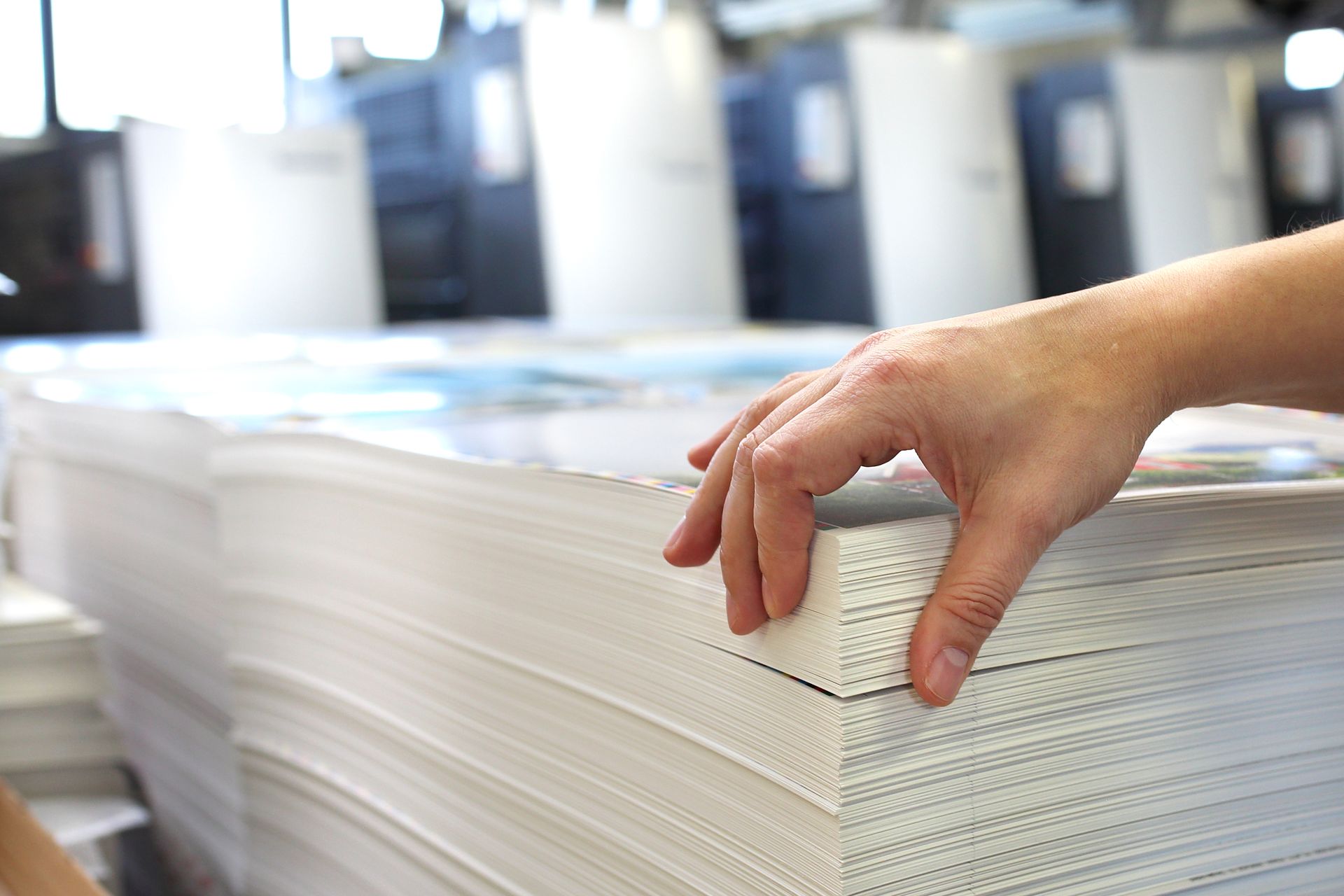
Paper weight refers to the thickness and heaviness of a paper stock.
In commercial printing, heavier paper typically feels:
- thicker
- sturdier
- more premium
- more durable
Lighter paper generally feels:
- more flexible
- easier to fold
- thinner
- better for multi-page printing
The right choice depends entirely on the purpose of the printed material.
What Is Text Paper?
Text paper is lighter-weight paper commonly used for:
- brochures
- catalogs
- flyers
- booklets
- newsletters
- interior magazine pages
This type of paper is designed for:
- readability
- flexibility
- folding
- multi-page applications
Many businesses choose text weight paper when they need professional print quality without excessive thickness.
What Is Cover Stock?
Cover stock is thicker and more rigid than text paper.
It is commonly used for:
- presentation folders
- postcards
- booklet covers
- marketing handouts
- premium inserts
Compared to text paper, cover stock printing creates a more substantial and durable feel.
This added thickness often improves:
- perceived quality
- brand presentation
- durability during handling
For many corporate buyers, cover stock creates a stronger first impression.
What Is Cardstock?
Cardstock is one of the thickest and most durable paper options used in commercial printing.
Common applications include:
- business cards
- invitations
- rack cards
- signage inserts
- promotional materials
Because of its rigidity, cardstock printing feels heavier and more premium than standard paper stocks.
Businesses often choose cardstock when:
- durability matters
- repeated handling is expected
- premium branding is important
Why Paper Thickness Impacts Brand Perception
One of the most overlooked aspects of professional printing is tactile experience.
The feel of printed materials influences how customers perceive:
- professionalism
- quality
- credibility
- brand value
Thin, flimsy materials may unintentionally make marketing pieces feel lower quality, even if the design itself looks strong.
Premium commercial printing often combines:
- strong design
- proper paper selection
- professional finishing
to create better customer impressions overall.
Gloss, Matte, and Coated Finishes Also Matter
Paper finish affects both appearance and functionality.
Gloss Coating
Gloss finishes often:
- enhance color vibrancy
- create sharper visuals
- add shine
These work well for:
- photography
- promotional pieces
- image-heavy marketing
Matte Finishes
Matte finishes create:
- softer appearance
- reduced glare
- easier readability
These are often preferred for:
- corporate presentations
- luxury branding
- professional documents
The finish should align with the overall branding goals of the project.
Why Corporate Buyers Need to Think Beyond Cost Alone
A lot of businesses initially compare printing projects based only on price.
But the wrong paper choice can affect:
- durability
- customer perception
- readability
- mailing performance
- presentation quality
Professional print marketing materials perform best when paper selection supports the purpose of the project itself.
Different Projects Require Different Paper Solutions
There is no single “best” paper stock for every application.
For example:
- brochures often use text stock
- postcards often use cover stock
- business cards often use cardstock
Understanding these differences helps businesses make more informed purchasing decisions while improving final print quality.
Professional Printing Is About More Than Ink Alone
Successful print projects rely on more than strong graphics and messaging. The material itself plays a major role in how customers experience and remember a brand.
Press Enterprise Commercial Printing provides professional commercial printing solutions with high-quality paper options designed to help businesses create stronger branding, marketing, and presentation materials.
What is text paper used for?
Text paper is commonly used for brochures, catalogs, newsletters, and multi-page printed materials.
What is cover stock?
Cover stock is a thicker paper commonly used for covers, postcards, and premium marketing materials.
What is cardstock used for?
Cardstock is commonly used for business cards, invitations, and durable promotional materials.
Does paper weight affect print quality?
Yes. Heavier paper often improves durability and perceived quality.
What finish is best for corporate printing?
It depends on the project goals. Matte finishes often feel more professional, while gloss enhances color vibrancy.


The Critical Importance of Direct Mail Verification: How Clean Address Data Lowers Bulk Postal Rates