Heatset vs. Coldset Printing: What's the Difference?
When planning a large-scale printing project, choosing the right printing method can make a significant difference in the appearance, quality, and overall cost of your finished materials. Two common methods used in commercial web offset printing are heatset and coldset printing. Although both processes are designed for efficient, high-volume production, they differ in how the ink dries, which paper stocks they accommodate, and the types of projects they best support.
The main difference between heatset and coldset printing is how the ink dries. Heatset printing uses heated dryers to evaporate components of the ink before cooling and setting it, while coldset printing relies primarily on ink absorption into the paper. These differences influence everything from color reproduction and paper selection to production costs and the finished appearance.
At Press Enterprise Commercial Printing, we offer both heatset and coldset web offset printing capabilities, helping businesses, publishers, and organizations find the right production method for their specific needs.
What Is Heatset Printing?
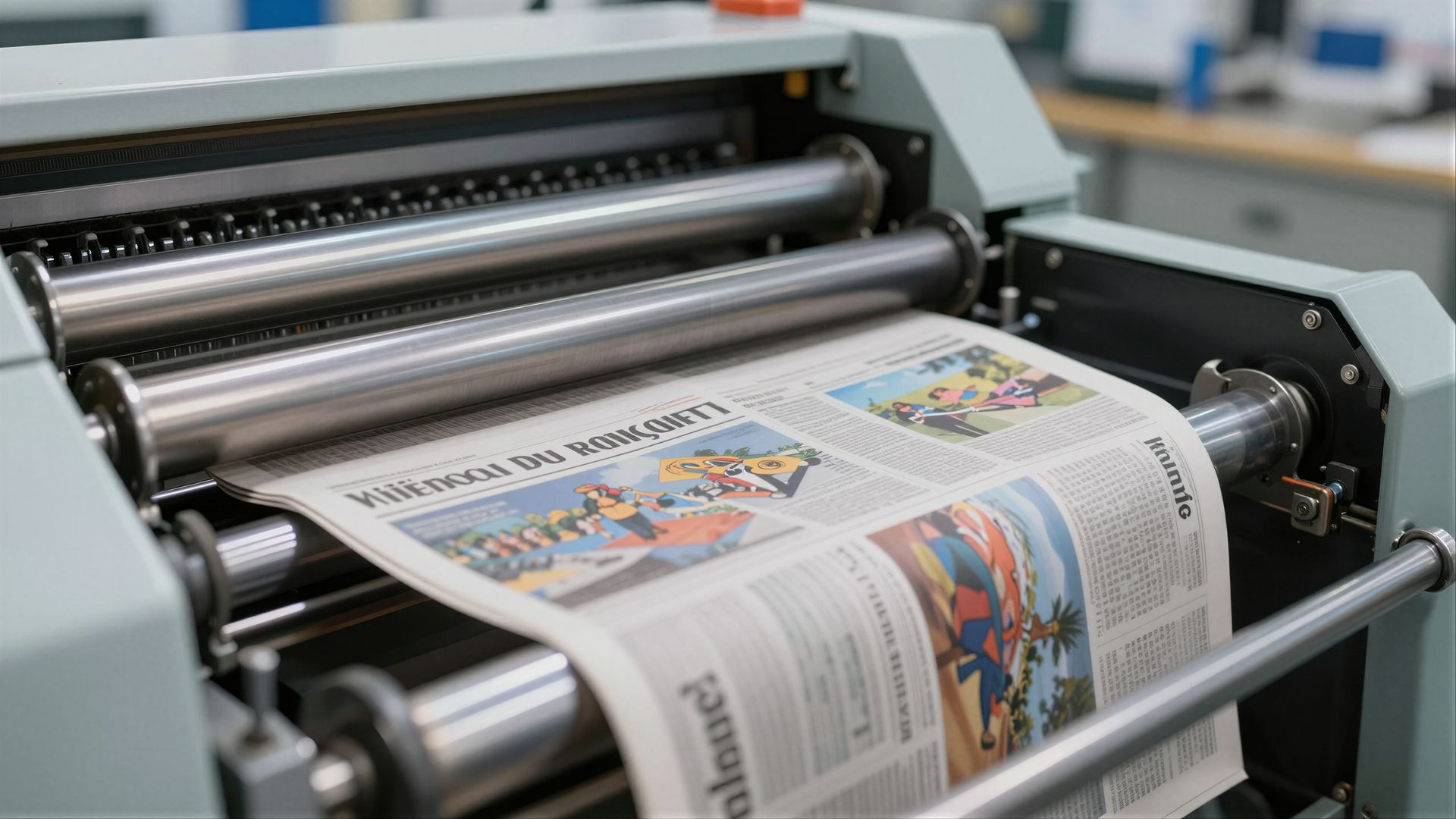
Heatset printing is a web offset printing process that uses controlled heat to dry ink as paper moves continuously through the press. After the ink is applied, the printed paper passes through a heated dryer and cooling rollers that help set the ink before finishing.
This process is particularly beneficial for projects requiring detailed images, vibrant colors, and a polished appearance. Because heatset printing can accommodate coated and certain uncoated paper stocks, it offers flexibility for a variety of commercial printing applications.
Common applications for heatset printing include:
- Magazines and catalogs
- High-quality retail circulars
- Advertising inserts
- Promotional publications
- Publications featuring detailed photography and graphics
Heatset printing is often preferred when visual presentation is a major priority. Its ability to produce sharp details and consistent color makes it an effective solution for businesses looking to create professional materials that stand out.
What Is Coldset Printing?
Coldset printing is another form of web offset printing, but unlike heatset printing, it does not rely on a heated dryer to set the ink. Instead, the ink is absorbed into the paper as it moves through the printing process.
Coldset printing typically uses absorbent, uncoated paper stocks, including traditional newsprint. This makes it especially useful for publications and advertising materials that require efficient production at substantial quantities.
Common applications for coldset printing include:
- Newspapers
- Community publications
- Retail advertising circulars
- Newspaper inserts
- High-volume promotional materials
- Publications printed on uncoated paper
Coldset printing provides a practical balance of efficiency, readability, and affordability. For businesses producing recurring publications or large quantities of informational materials, it can be a dependable and cost-conscious option.
What Are the Main Differences Between Heatset and Coldset Printing?
Although both methods use web offset printing technology, several important characteristics distinguish them.
1. Ink Drying Process
The most significant difference is how the ink sets on the paper.
Heatset printing uses heated dryers followed by cooling rollers to set the ink. Coldset printing relies primarily on the paper absorbing the ink without a heated drying stage.
This difference directly influences paper compatibility, color reproduction, and the final appearance of printed materials.
2. Paper Options
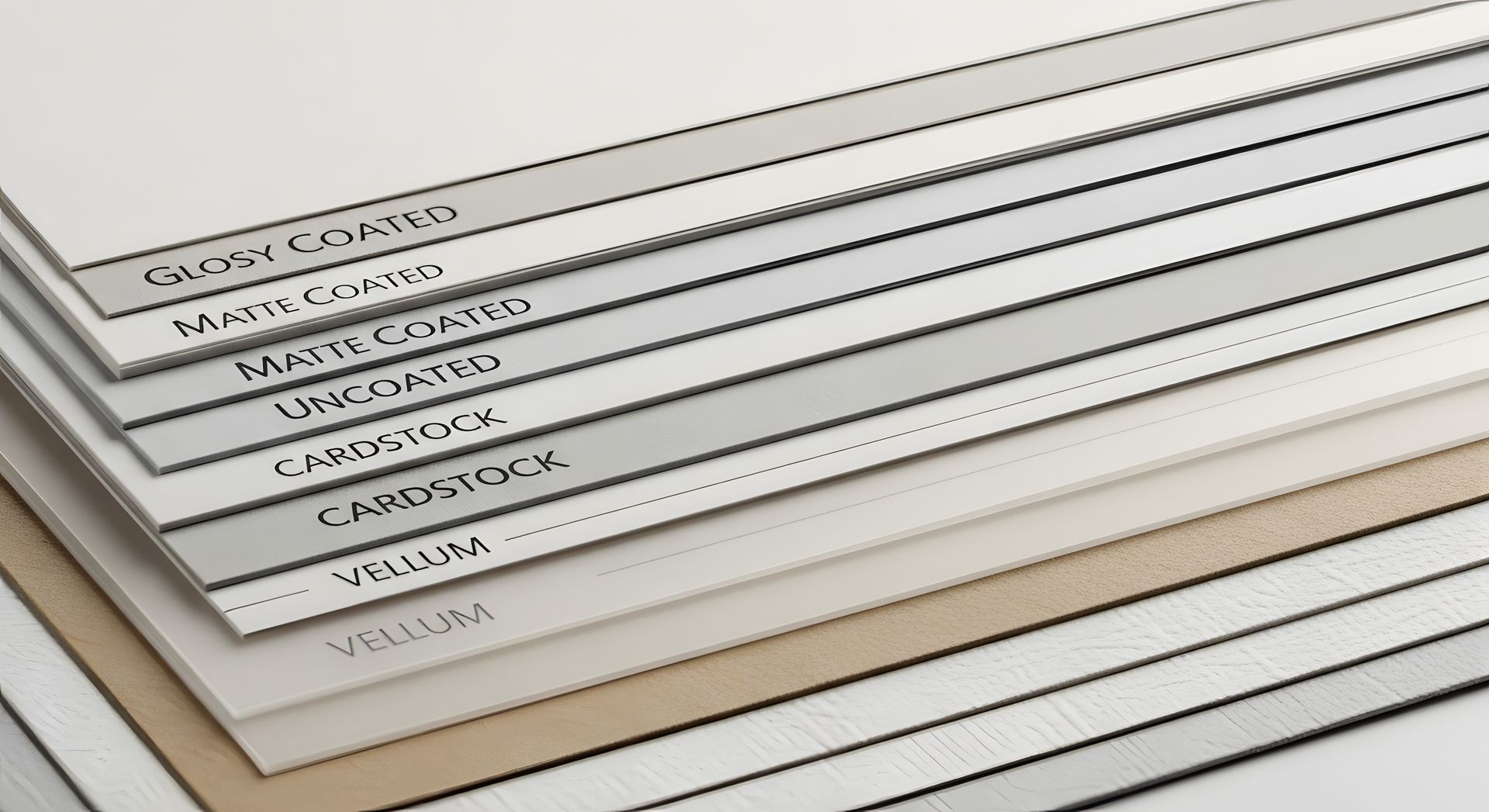
Heatset printing can accommodate coated paper stocks, which are often selected for materials featuring detailed photographs, vibrant graphics, or a more polished finish. Certain uncoated papers may also be suitable.
Coldset printing is generally designed for absorbent, uncoated stocks such as newsprint.
Choosing the right paper depends on the desired appearance, functionality, and budget of your project.
3. Print Appearance and Color
Heatset printing is frequently selected for projects requiring rich color reproduction, detailed images, and sharper visual contrast on coated stocks.
Coldset printing can also produce professional results, but the absorbent nature of its paper stocks generally creates a softer, more traditional printed appearance.
Neither method is automatically better for every project. The best choice depends on how the finished materials will be used and the visual experience you want to create.
4. Production Costs
Coldset printing can offer cost advantages for suitable projects, particularly when economical uncoated paper stocks meet the intended purpose.
Heatset printing involves additional drying equipment and may use more expensive coated papers, but these considerations can be worthwhile when presentation and image reproduction are priorities.
The total project cost also depends on quantity, paper specifications, page count, finishing requirements, and other production factors.
5. Ideal Applications
Heatset printing is commonly used for visually detailed catalogs, magazines, and retail advertising materials.
Coldset printing is especially well suited for newspapers, recurring publications, and large-scale advertising pieces produced on absorbent paper.
Both methods provide the efficiency associated with web offset printing, making them valuable options for businesses that require consistent, high-volume production.
Heatset vs. Coldset Printing: Quick Comparison
When comparing heatset and coldset printing, the primary differences come down to ink drying, paper compatibility, print appearance, and production costs.
Heatset printing uses heated dryers and cooling rollers to set the ink, making it particularly effective for projects that require vibrant colors, detailed images, and a polished finish. It can accommodate coated and certain uncoated paper stocks, making it a popular choice for magazines, catalogs, and high-quality retail circulars.
Coldset printing, on the other hand, relies primarily on ink absorption into the paper and is typically used with uncoated stocks such as newsprint. This process produces a more traditional printed appearance and is often a cost-effective solution for newspapers, advertising inserts, and recurring publications. While heatset printing may involve additional drying and paper costs, both methods offer efficient, high-volume production capabilities.
The right choice ultimately depends on your project's visual requirements, paper preferences, quantity, and budget.
How Do You Choose Between Heatset and Coldset Printing?
Selecting the right printing process starts with understanding your project's requirements.
Consider the following questions:
- What type of material are you printing? A photography-heavy catalog may benefit from heatset printing, while a newspaper-style publication may be better suited for coldset.
- What paper finish do you prefer? Coated papers generally favor heatset production, while traditional newsprint is commonly used with coldset.
- How important is image detail? Projects featuring product photography and detailed graphics may benefit from the visual characteristics of heatset printing.
- What is your production quantity? Both methods are designed for efficient, high-volume printing, but the most cost-effective approach depends on the complete project specifications.
- What is your budget? Paper selection, finishing, quantity, and production requirements all influence pricing.
Understanding these factors can help you make an informed decision before moving into production.
For additional information about printing processes and terminology, the U.S. Environmental Protection Agency's printing industry resources provide industry background, while the European Commission's technical reference on surface treatment using organic solvents explains heatset and coldset offset processes.
Why Choose Press Enterprise Commercial Printing for Web Offset Printing?
At Press Enterprise Commercial Printing, we understand that every commercial printing project has different goals, specifications, and production requirements.
Our Bloomsburg, Pennsylvania, facility operates four heatset and two coldset commercial press lines, providing the flexibility to support a wide range of high-volume printing projects.
With decades of commercial printing experience, our team works with businesses, publishers, organizations, and institutions to produce consistent, professional printed materials.
Our capabilities include:
- Circulars and publications for retail advertising, recurring publications, and marketing campaigns.
- Broadsheet printing for newspapers, circulars, and large-format publications.
- Tabloid printing for compact publications, advertising materials, and promotional content.
- High-volume web offset production using heatset and coldset technologies.
Whether you're producing a recurring publication or preparing a large-scale promotional campaign, our team can help you evaluate paper options, production methods, and finishing requirements to determine the right approach.
Is heatset printing better than coldset printing?
Not necessarily. Heatset printing is often preferred for projects requiring coated paper, detailed images, and vibrant color reproduction. Coldset printing is typically more economical for newspapers and high-volume materials produced on uncoated paper. The better option depends on the project's requirements.
Can coldset printing produce color materials?
Yes. Coldset printing can produce full-color publications, newspapers, and advertising materials. However, the absorbent nature of uncoated paper can influence color vibrancy and image sharpness compared with heatset printing on coated stock.
Is heatset printing suitable for large print runs?
Yes. Heatset printing is designed for efficient, high-volume production. It is commonly used for magazines, catalogs, retail circulars, and other commercial publications that require consistent image reproduction across large quantities.
What type of paper is used for coldset printing?
Coldset printing typically uses absorbent, uncoated paper stocks, including newsprint. These materials allow the ink to penetrate the paper without requiring a heated drying process.
Does Press Enterprise Commercial Printing offer both heatset and coldset printing?
Yes. Press Enterprise Commercial Printing operates four heatset and two coldset commercial press lines at its Bloomsburg, Pennsylvania, facility, supporting a variety of commercial publications and high-volume printing projects.
Title or Question
Describe the item or answer the question so that site visitors who are interested get more information. You can emphasize this text with bullets, italics or bold, and add links.
Find the Right Printing Solution for Your Next Project
Understanding the differences between heatset and coldset printing can help you select the right materials, achieve your desired appearance, and make informed decisions about your printing budget.
At Press Enterprise Commercial Printing, we're committed to helping businesses and organizations make a better impression through dependable commercial printing services.
Whether you need vibrant retail circulars, recurring publications, or high-volume promotional materials, our experienced team is ready to discuss your project.
Contact Press Enterprise Commercial Printing today to explore your printing options and find the right solution for your next project.


The Critical Importance of Direct Mail Verification: How Clean Address Data Lowers Bulk Postal Rates