Offset Printing vs. Digital Printing: Which Is Right for Your Project?
When planning a commercial printing project, one of the most important decisions is choosing the right printing method. Offset printing is often well suited for larger print runs that require consistent, efficient production, while digital printing offers flexibility for shorter runs, personalized materials, and projects that may need faster setup.
Neither method is automatically better than the other. The right choice depends on your quantity, project specifications, timeline, personalization requirements, and other production needs.
At Press Enterprise Commercial Printing, we offer Web Offset, Sheetfed, Digital, and Large Format Printing capabilities, allowing our team to help businesses and organizations find the right process for each project.
What Is Offset Printing?
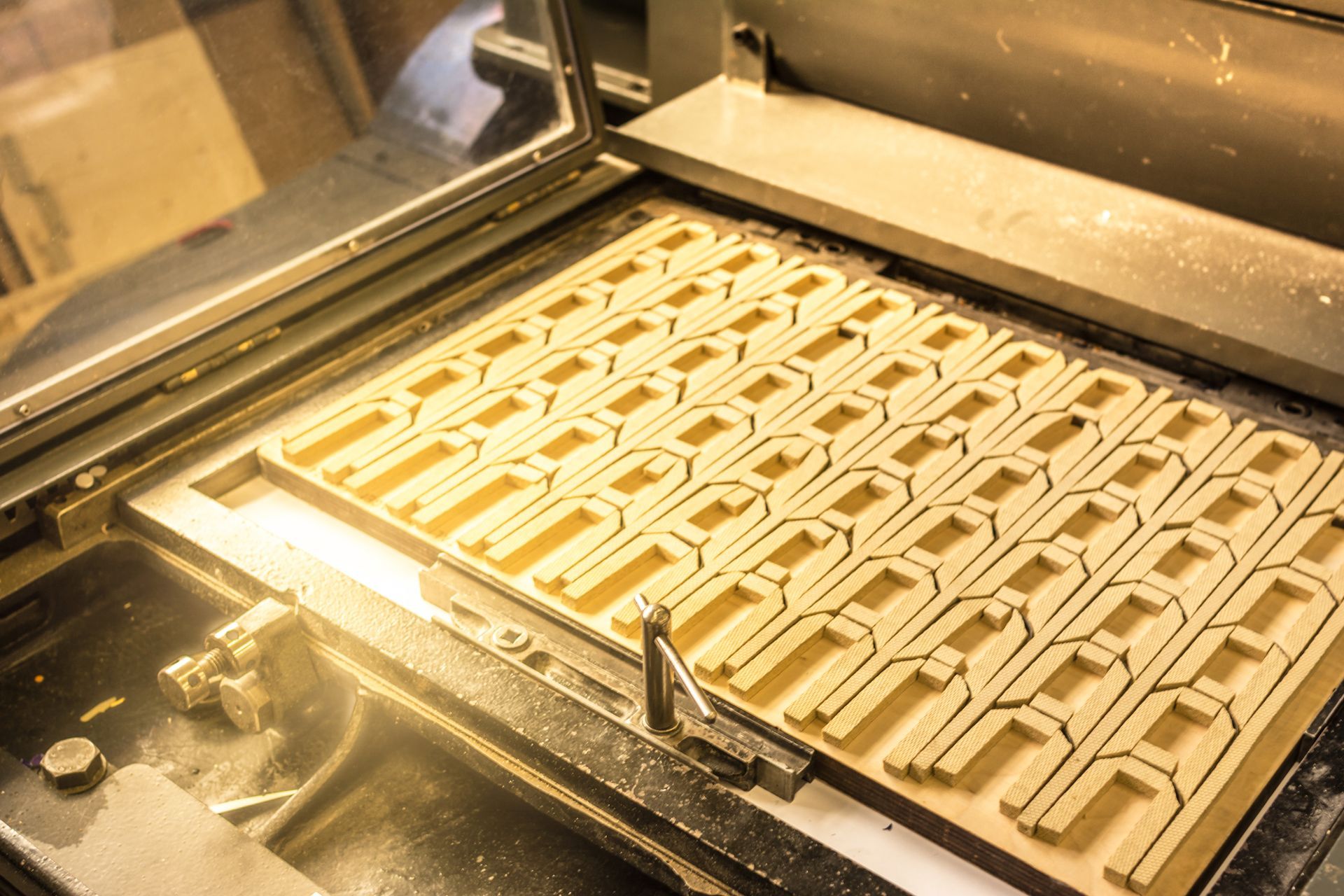
Offset printing is a traditional commercial printing process in which an image is transferred, or “offset,” from a printing plate before being applied to the final printing surface.
Because the process requires more setup than digital printing, offset printing can be especially effective when producing larger quantities. Once a job is prepared and running, the process allows commercial printers to efficiently produce high volumes with consistent results.
Offset printing may be a good choice for projects such as:
- Newspapers
- Circulars
- Publications
- Catalogs
- Brochures
- Inserts
- Other high-volume printed materials
For businesses and organizations ordering large quantities, offset printing can provide the production efficiency needed to complete substantial print runs while maintaining consistency from piece to piece.
What Is Digital Printing?
Digital printing sends a digital file directly to a printing device without requiring the traditional printing plates used in offset production. According to Xerox's guide to digital printing, this plate-free process makes digital printing particularly useful for applications including short runs, on-demand production, and variable data printing.
Digital printing can be an excellent option when a project requires:
- Smaller quantities
- Personalized content
- Variable information
- Shorter production runs
- Frequent design or content changes
- Targeted marketing materials
One of digital printing's most useful capabilities is personalization. Different names, addresses, images, offers, or other information can be incorporated into printed pieces using variable data, making digital production valuable for targeted campaigns.
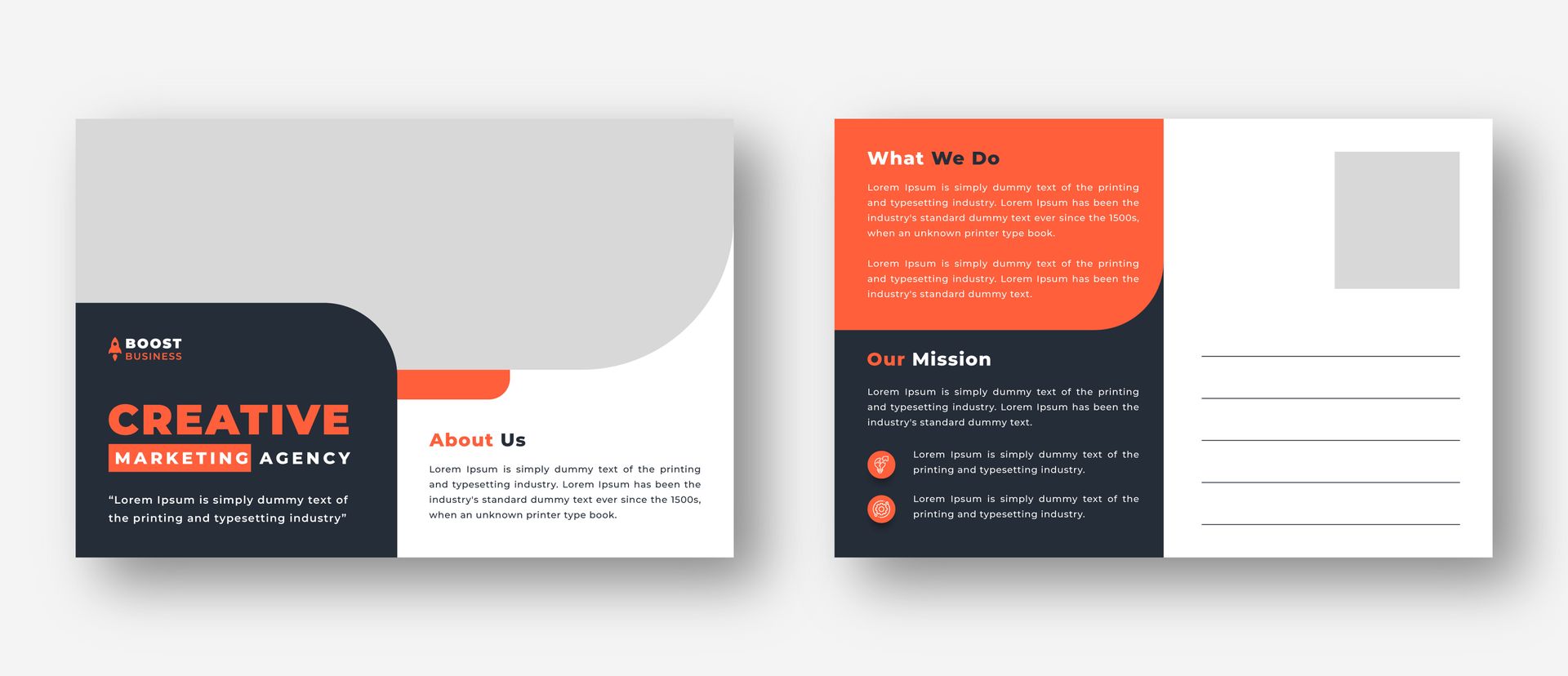
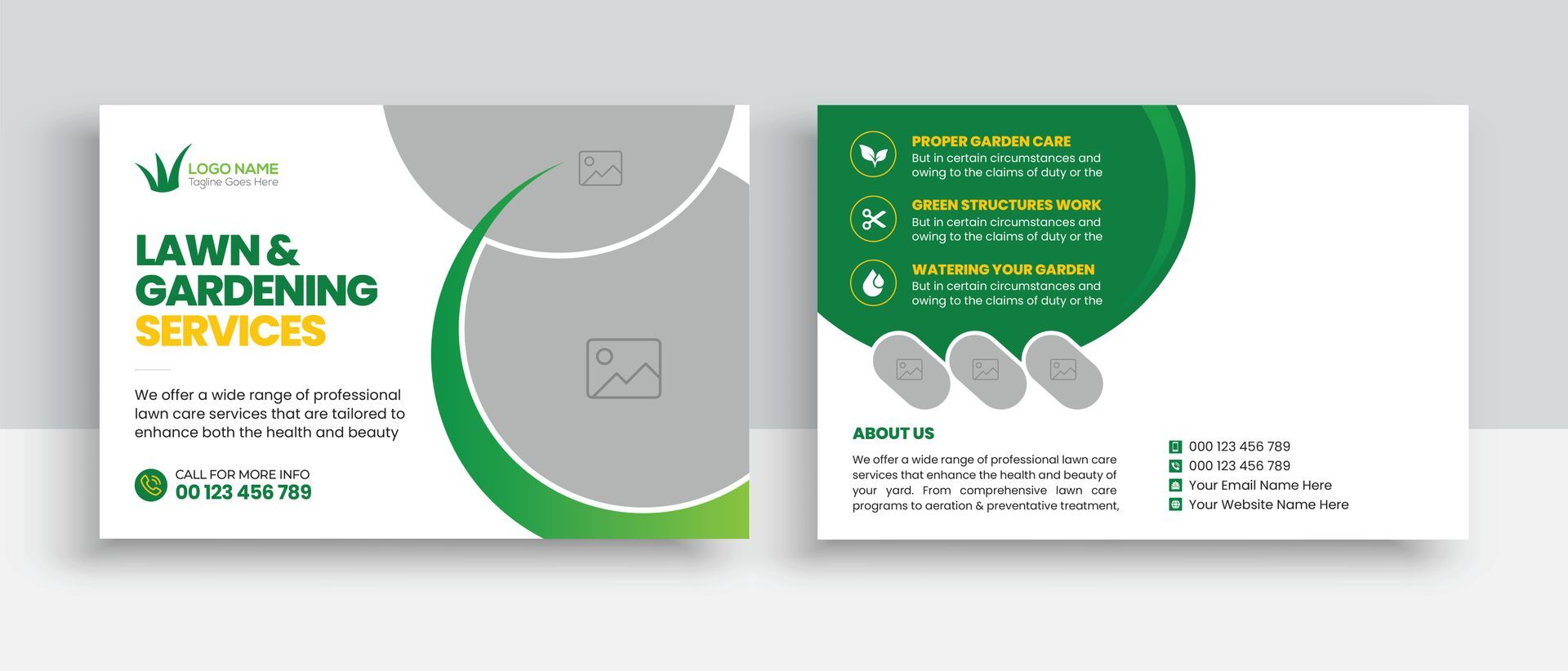
Press Enterprise offers digital printing as part of its commercial printing capabilities, including solutions for personalized mailers and variable data projects.
What Is the Difference Between Offset and Digital Printing?
The biggest difference between offset and digital printing is how the printed piece is produced.
Offset printing uses printing plates and requires additional setup before production begins. Digital printing works directly from a digital file and eliminates the need for traditional printing plates.
That difference affects several aspects of a commercial printing project:
Print Quantity
Offset printing can be advantageous for larger-volume projects because its initial setup can be spread across a substantial number of printed pieces.
Digital printing is often well suited to smaller quantities because less traditional press setup is required.
Personalization
If every printed piece will contain the same content, either process may be appropriate depending on the other specifications of the project.
When individual pieces need different names, addresses, offers, images, or other variable information, digital printing provides greater personalization opportunities.
Project Changes
Because digital printing works directly from digital files, it can provide more flexibility for projects that change frequently or require multiple versions.
Offset printing is particularly effective when a finalized design needs to be reproduced consistently across a larger run.
Production Requirements
Quantity alone should not determine how a job is printed. Paper selection, size, color requirements, finishing, mailing needs, and other specifications can all affect which production method makes the most sense.
When Should You Choose Offset Printing?
Offset printing should be considered when your project requires a substantial quantity of consistent printed pieces.
For example, a business producing thousands of circulars for distribution has very different production requirements than a company ordering a small batch of targeted marketing pieces.
Offset printing may make sense when:
- You need a high-volume print run.
- The content will remain the same across the run.
- Consistency across thousands of pieces is important.
- The project is planned far enough ahead to accommodate production requirements.
- The specifications are well suited to offset production.
For organizations regularly producing circulars and publications, working with a commercial printer that has high-volume capabilities can make recurring print production easier to manage.
When Should You Choose Digital Printing?
Digital printing is worth considering when flexibility and personalization are priorities.
For example, a company may want to send marketing materials to several customer segments with different messages or offers. Instead of producing one identical piece for everyone, digital printing can make it possible to tailor information to individual recipients or groups.
Digital printing may be a strong choice when:
- You need a smaller print quantity.
- Your materials require variable data.
- You want personalized marketing pieces.
- You need several versions of the same basic design.
- Your content changes frequently.
- Your project benefits from a streamlined setup process.
These capabilities are particularly useful for targeted mailers and other campaigns where relevance can be just as important as quantity.
Is Offset or Digital Printing More Cost-Effective?
There isn't one printing method that is always less expensive.
The cost of a commercial print project can depend on factors including:
- Quantity
- Finished size
- Paper or substrate
- Number of pages
- Color requirements
- Finishing
- Binding
- Mailing
- Personalization
- Production timeline
For a shorter run, avoiding the plate and setup requirements associated with offset printing may make digital production more practical. As quantities increase, however, the production efficiencies available through offset printing may make it a better fit.
This is why comparing printing methods based only on a per-piece assumption can be misleading. A printer should evaluate the specifications of the entire job before recommending a production method.
Does Digital Printing Have the Same Quality as Offset Printing?
Modern commercial digital printing can produce excellent results, and advances in digital printing technology have significantly improved output quality.
However, the best production method still depends on the individual project. Instead of assuming that one technology always produces a better result, businesses should consider what they are printing, how many pieces they need, what materials are being used, and how the finished product will be distributed.
A professional commercial printer can evaluate those requirements and recommend a process that balances quality, efficiency, and the project's intended use.
How Do You Choose the Right Printing Method?
Start with the requirements of the project rather than choosing a printing process first.
Before requesting an estimate, consider these questions:
- How many pieces do you need?
- Will every piece contain identical information?
- Do you need names, addresses, images, or offers personalized?
- What size will the finished piece be?
- What paper or material do you want to use?
- Does the project require folding, binding, trimming, mailing, or other finishing?
- When do you need the finished materials?
Providing these details gives your commercial printer a better understanding of the job and helps determine the most appropriate production process.
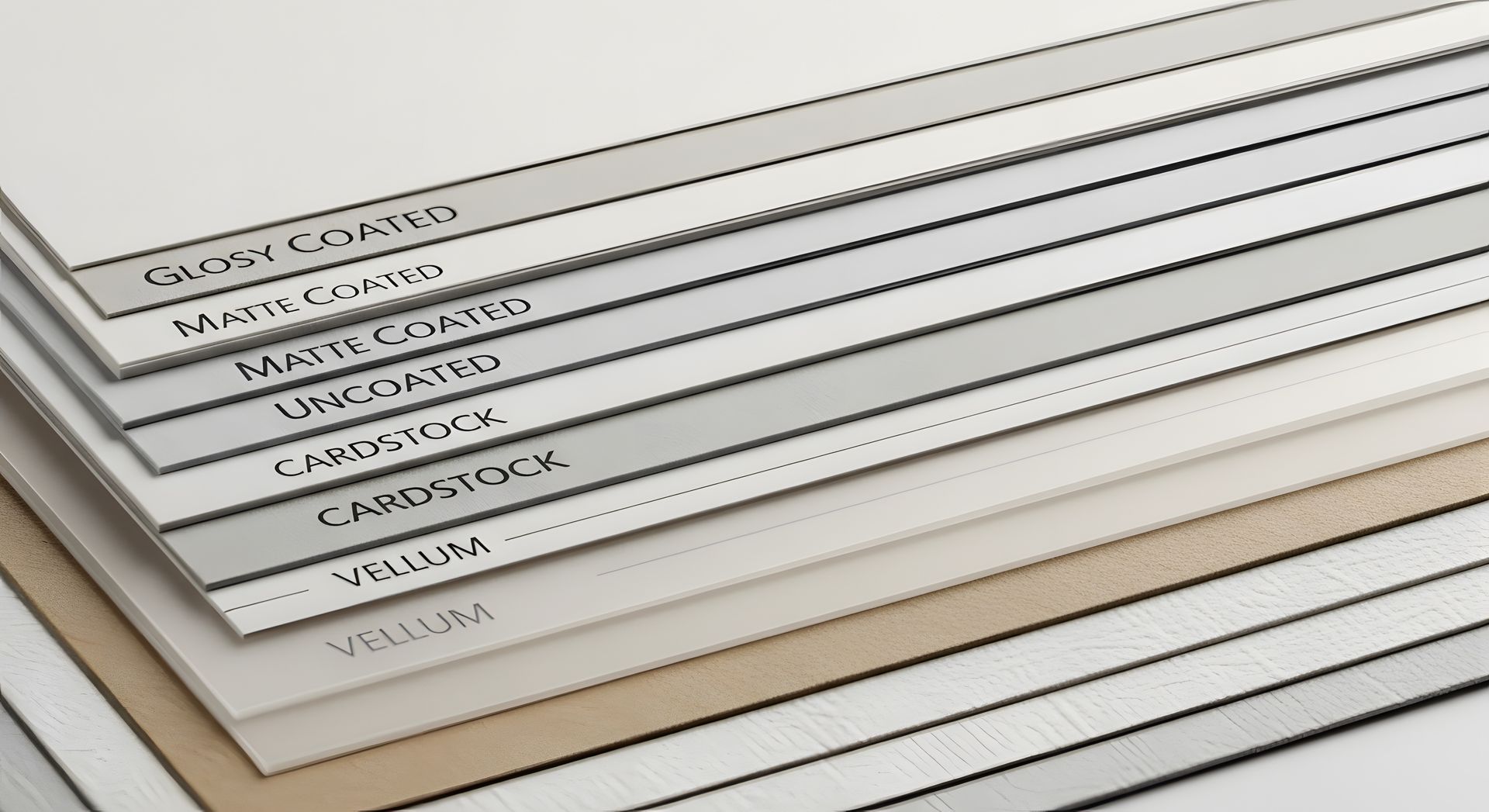
If you're unsure about paper specifications, our guide to understanding paper weight, text, cover, and cardstock can also help you prepare for your next print project.
Find the Right Commercial Printing Solution With Press Enterprise
Choosing between offset and digital printing doesn't have to be complicated.
Press Enterprise Commercial Printing provides Web Offset, Sheetfed, Digital, and Large Format Printing services for businesses, organizations, publishers, and other customers with a wide range of production needs. From high-volume publications to personalized marketing pieces, our team can review your project specifications and help identify an appropriate printing solution.
Beyond printing, we also provide mailing, finishing, and fulfillment capabilities to help customers manage more of the production process with one experienced printing partner.
Ready to get started? Contact Press Enterprise Commercial Printing to discuss your project and request an estimate. We'll help you find the process that fits your quantity, specifications, timeline, and goals.
What is the main difference between offset and digital printing?
Offset printing uses printing plates as part of the production process, while digital printing sends a digital file directly to the printing equipment without traditional plates. This difference affects setup, quantities, personalization capabilities, and other production considerations.
Is offset printing better for large quantities?
Offset printing is often well suited for high-volume print runs because its production process can become efficient when producing substantial quantities of the same piece. The best method still depends on the project's complete specifications.
Is digital printing good for short runs?
Yes. Digital printing is commonly used for shorter print runs because it does not require the traditional plate setup associated with offset printing.
Can digital printing be personalized?
Yes. Digital printing can support variable data printing, allowing elements such as names, addresses, images, offers, or messages to change between individual printed pieces.
Which printing method should I use for my project?
The right printing method depends on your quantity, size, paper selection, personalization requirements, finishing needs, timeline, and other specifications. A commercial printer can review the entire project and recommend the most appropriate production process.

The Critical Importance of Direct Mail Verification: How Clean Address Data Lowers Bulk Postal Rates